
La Mercè 2026: How to See It All Without Spending the Day on the Metro
La Mercè is Barcelona's main festival, held for its patron saint, Our Lady of Mercy. Locals celebrate five days running: over five hundred free events across ten districts. In 2026 it runs 23-27 September, and Thursday the 24th is a public holiday - the day the centre gets especially crowded.
The hour-by-hour programme goes up at barcelona.cat. But the shape of each day is already known, and that's enough to plan around.
What Happens on Each Day
On Wednesday the 23rd the mayor opens the festival with the pregó, a speech from the city hall balcony on Plaça Sant Jaume; then the first night of concerts.
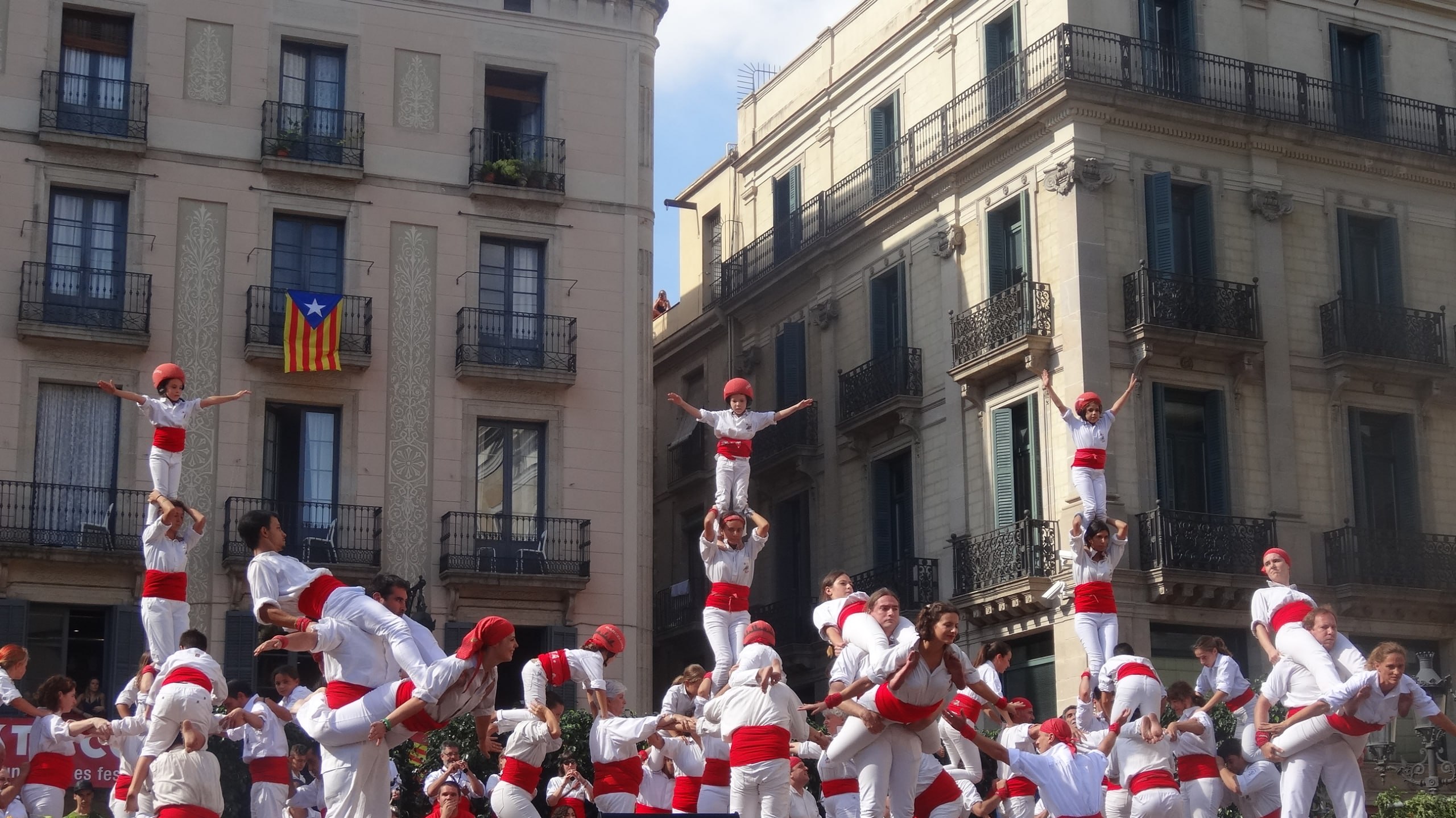
Thursday the 24th is the big one. By day, teams build castellers on Plaça Sant Jaume - human towers seven or eight levels high, with helmeted children climbing to the top. Then the gegants come through the streets: four-metre figures carried on shoulders. In the evening, street-arts performers fill Parc de les Glòries, the festival's new main venue.
Friday belongs to the concerts: BAM, the city's new-music festival, and Música Mercè, with a more traditional line-up.
Saturday brings the correfoc, the fire run. People dressed as devils move down the street with fireworks on poles, and spectators run alongside under the sparks. A children's version goes first, at sunset; then the full run.
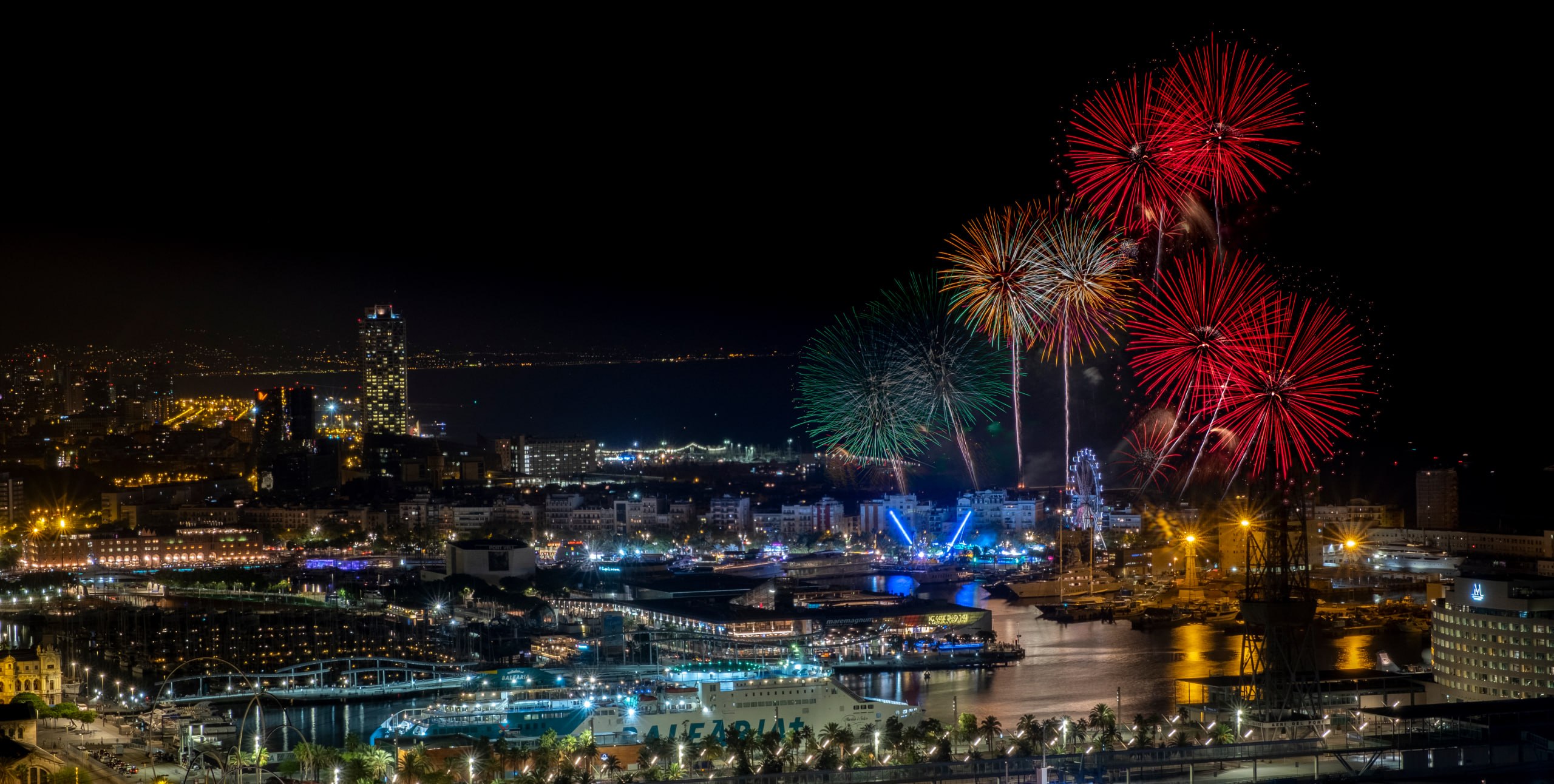
On Sunday the piromusical closes the festival - a big fireworks display set to music. For 2026 the organisers moved it to Bogatell beach for the first time; it used to run by Montjuïc.
This year's guest city is Shanghai, the first Asian one in the festival's history. Barcelona and Shanghai became twin cities twenty-five years ago, and the invitation marks the anniversary.
The Main Catch: Venues at Opposite Ends of the City
The festival used to stay in the Old Town, and you could walk from one event to the next. Now events spread across ten districts, and the venues aren't walkable any more.
Parc de la Trinitat sits in Nou Barris, in the north. Glòries is east, by the Agbar tower. The Joan Maragall gardens are on Montjuïc, south. Port Olímpic and Bogatell beach sit on the coast. Between the northern point and the beach there's almost an hour on the metro, with a change.
So here's a simple rule: two or three events a day, not ten. Pick one daytime and one evening event, then work out the trip between them.
Where to Stay So You Travel Less
The Gothic Quarter and El Born put you in the thick of it, but on correfoc night the noise under your window lasts till morning. Eixample, the grid of straight blocks above the centre, is the compromise: twenty minutes on foot to Plaça Sant Jaume, two metro stops to Glòries, quiet in the evening. Poblenou and Vila Olímpica suit anyone coming for the beach venues and the fireworks.
Hotels fill up for festival week as in high season, even if the festival isn't why you came. Book well ahead.
Arriving During the Festival
Police close streets across Ciutat Vella, parts of Eixample and around Montjuïc. Via Laietana and Las Ramblas shut during the main events, nearby streets follow the day's programme. The closure map goes up with the schedule, a few days ahead.
From the airport to the centre it's 14 km, ~24 min on the road - on an ordinary day. On the night of the correfoc or the fireworks, build in a buffer: some approaches to the Old Town close, and your driver takes a detour.
With suitcases, arrive before lunchtime. In the evening you cover the last two hundred metres to your hotel through the crowd, and with luggage that's slow.
When Your Day Has More Than Two Venues
Events worth seeing often clash, at opposite ends of the city. The metro runs later than usual on festival nights, but with children, a pushchair, or just by the end of the day, the changes wear you down.
One way around it: a car with a driver for a few hours. The driver waits between venues, your things stay in the car, and you can change the route as you go. For a family with children and an evening split over two venues, that's easier than three metro changes.
Is La Mercè Itself Worth the Trip
If you want castellers, a correfoc and half the city out on the streets, then yes - that's what the festival exists for. If you come for work or the beach, factor in the noise, the full hotels and the crush in the centre. September in Barcelona is good without the festival too: the sea is still warm and the heat has eased.
2026 is also the Gaudí Year: a century since the architect's death and a century of Park Güell as a public park. Museums and the major sites keep normal hours, and a festival morning suits them, while everyone else is out on the streets.
Frequently Asked Questions
What are the dates of La Mercè in 2026?
From 23 to 27 September. The main day is Thursday the 24th, also a public holiday in Barcelona. The city council posts the hour-by-hour programme in early September at barcelona.cat.
Which day should I pick if I can only come for one?
24 September: castellers, gegants and street arts in one day. It's also the day you can barely move in the centre. If crowds aren't your thing, take Friday - the same concerts, noticeably fewer people.
Where should I go with children?
The daytime castellers, the gegants parade and the street arts at Glòries are built for families. The correfoc has a children's version at sunset, before the main fire run. Avoid the front rows with little ones: the sparks reach the spectators.
Where do I watch the fireworks this year?
At Bogatell beach, on Sunday the 27th. The spot is new - the piromusical used to run by Montjuïc, so advice about heading for the fountain no longer holds in 2026.
Are the museums open during the festival?
Yes, on normal hours. The Sagrada Família, Park Güell and the museums stay open, and mornings there feel calmer than the streets. Book tickets ahead: demand matches high season.
What should I wear to a correfoc?
Long sleeves, closed shoes, something on your head. Sparks fly into the crowd - part of the tradition. Leave the flip-flops and synthetics at the hotel.
How hard is it to get into the concerts?
Everything is free: concerts, parades, fireworks. You pay only for food and drink. Turn up early for the popular stages - there's no seating, everyone stands.